Local Insight
Travelers planning Nepal often benefit from comparing route pace, season timing, and comfort level before they compare dates or pricing.
Private Nepal, Tibet & Bhutan journeys
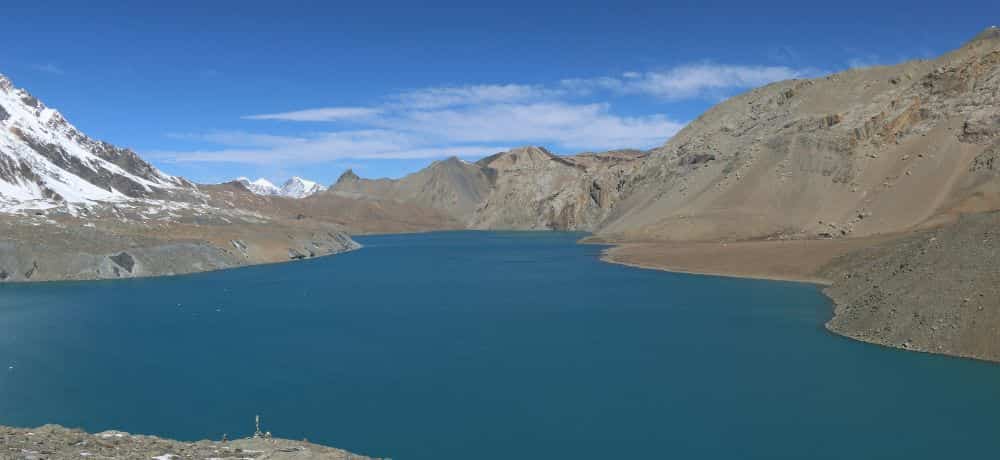
Discover the Annapurna Circuit with Tilicho Lake Trek, a stunning Himalayan adventure blending epic trails and serene alpine lakes.
Duration
Rating
From group price
Private price
Trip guide
Annapurna Circuit with Tilicho Lake Trek
Download the guide and practical planning notes for this trip.
Trip overview
A quick read on the route, the comfort level, the pricing rhythm, and the details most travelers want before they get in touch.
Quick answer
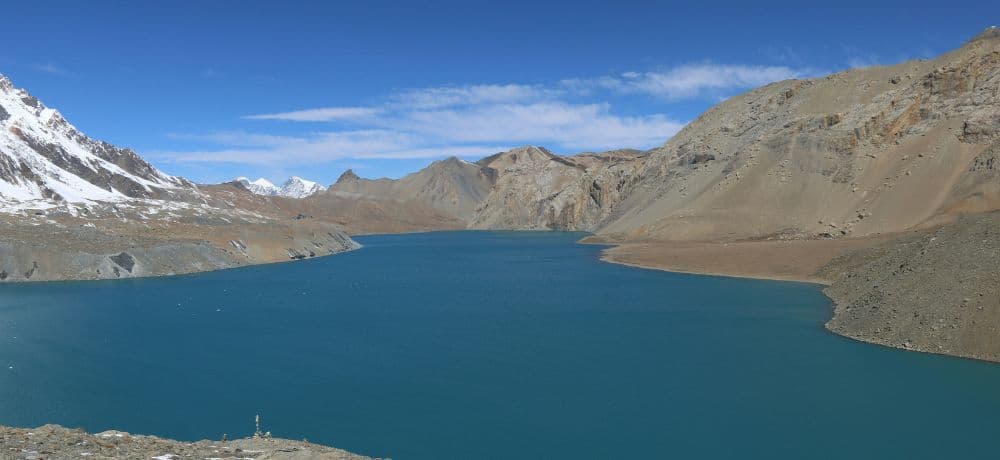
Annapurna Circuit with Tilicho Lake trek is an extended version of the classic Annapurna Circuit trek that includes a detour to the stunning Tilicho Lake, a high-altitude jewel nestled beneath the towering peaks of the Annapurna range. This lake situated at the altitude of 4,920 meters also stands as one of the highest-altitude lakes on the planet.
Quick route highlights
Short, practical, and easy to scan before you dive into the longer trip description.
Highlight
Annapurna Circuit with Tilicho Lake trek is an extended version of the classic Annapurna Circuit trek that includes
Highlight
This Annapurna Circuit and Tilicho Lake Trek, starting in the lower Marsyangdi Valley will take you through terraced
Highlight
While the entire journey is filled with breathtaking rewards, Tilicho Lake and Thorung La Pass (5,416m—the highest point
Highlight
Our 15-day Annapurna Circuit with Tilicho Lake trek begins with a scenic drive to Chame. From there, the
This Annapurna Circuit and Tilicho Lake Trek, starting in the lower Marsyangdi Valley will take you through terraced fields and forests, lush valleys, traditional mountain villages and gradually gaining elevation to the Himalayan landscapes and alpine terrain, that offers breathtaking views and a sense of peace found only in the high Himalayas of Nepal. By taking you through the Hindu villages in the lowlands to Tibetan-influenced communities higher up, this trek introduces you to the diverse communities, allowing you to get insight on a fascinating culture and lifestyle of the inhabitants.
While the entire journey is filled with breathtaking rewards, Tilicho Lake and Thorung La Pass (5,416m—the highest point of the trek) stand out as its most remarkable highlights. These iconic landmarks are so significant that the trek is often referred to as the Tilicho Lake and Thorung La Pass Trek. Though the paths leading to these points are demanding, the experience and views they offer more than compensate for the challenge.
Our 15-day Annapurna Circuit with Tilicho Lake trek begins with a scenic drive to Chame. From there, the trail leads you through the charming villages of Pisang, Ghyaru, and Ngawal before ascending to the picturesque town of Manang. Departing from the main circuit, you'll embark on a three-day detour to the stunning Tilicho Lake, one of the highest alpine lakes in the world. After rejoining the circuit, the journey continues through Ledar, Phedi, and High Camp, culminating in the thrilling crossing of Thorung La Pass (5,416m). The trek concludes in Muktinath, a sacred pilgrimage site revered by both Hindus and Buddhists. From Muktinath, you'll drive to Pokhara and finally return to Kathmandu, completing your unforgettable Annapurna Circuit with Tilicho Lake trekking adventure.
The best time to embark on this trekking adventure in Nepal is from March to May and from October to early December, when the weather is generally stable and views are at their finest. For those who can tolerate colder conditions, the trek is also possible during the winter months (December to March), though it requires extra preparation. As a high-altitude and physically demanding trek, it is best suited for experienced trekkers with prior exposure to similar conditions.
If you're seeking a less demanding version of the Annapurna Circuit Trek, you can opt to skip the Tilicho Lake detour and join our standard 15-day Annapurna Circuit Trek instead.
Additionally, if you can extend your trip by four days and choose our 19-day Annapurna Circuit Trek, you'll be rewarded with even more unforgettable experiences—relaxing in the natural hot springs of Tatopani, witnessing the breathtaking panoramic views of the Annapurna and Dhaulagiri ranges from Poon Hill, and immersing yourself in the rich culture and traditions of the Gurung people, one of Nepal’s prominent ethnic groups.
However, if you're short on time but still want a challenging adventure, our 10-day Tilicho Lake Trek is the perfect choice.
Group pricing tiers
The public “From” price uses the lowest available group tier. Member pricing applies to the selected tier, not on top of another discount.
2-14 pax
2 min pax • 14 max pax
Group rate
US$ 1,414
Private rate
US$ 1,414
Why travelers choose Amigo for this route
First-hand context
Local Insight
Travelers planning Nepal often benefit from comparing route pace, season timing, and comfort level before they compare dates or pricing.
Itinerary
Open each day to see the route notes, overnight rhythm, altitude cues, and the small details that help you understand how the journey actually flows.
Route notes
Welcome to Nepal! A representative from our team will be waiting to greet you just outside the luggage area at Tribhuvan International Airport in Kathmandu. From there, you’ll be transferred to your hotel in a private vehicle (car, jeep, or minivan—depending on the size of your group). Once you've checked in, feel free to relax and unwind after your journey. If you arrive before noon, we’ll have a short meeting at the hotel to go over your trek, check your gear, and introduce you to your guide. If your flight gets in later in the day or evening, no worries—we’ll do the briefing the next day before leaving Kathmandu for Chame. The rest of your day is free to enjoy at your own pace. You'll be staying overnight at a comfortable hotel in Kathmandu.
Route notes
Today’s journey from Kathmandu to Chame cuts down 2–3 days of trekking and takes around 12 hours by private jeep, covering roughly 242 kilometers. After an early breakfast at the hotel, you’ll hit the road and begin your adventure. The first stretch of the drive (about 135 km) follows the Prithvi Highway, a scenic route that winds alongside the Trisuli River—perfect for soaking in some beautiful views. At Dumre, the road veers northwest onto the Bhanubhakta Acharya Highway, which connects Dumre to Chame, passing through the districts of Tanahu, Lamjung, and eventually reaching Manang. Up to Besisahar, the road is mostly blacktopped, but beyond that, it turns into a more rugged, off-road experience—bumpy, but full of adventure and charm. Along the way, you’ll notice dramatic shifts in the landscape, vegetation, and even the architecture of local homes as you climb higher into the mountains. There will be plenty of chances to stop for lunch or short breaks as needed. Once you arrive in Chame, you’ll check into a local lodge and have the rest of the evening to rest and recharge after the long drive. Overnight in a lodge in Chame. Meals: Breakfast, Lunch, Dinner
Route notes
After breakfast at the lodge in Chame, you’ll hit the trail once again. Today’s trek is about 15 kilometers and should take around 5 to 6 hours, with a gentle gain in altitude—just over 500 meters—so it’s a relatively moderate day. The trail begins with a scenic walk through lush pine forests and green fields. About an hour and twenty minutes in, you’ll reach Bhratang, a lovely little spot known for its apple orchards and cozy café. It’s a great place to pause and enjoy some fresh apple juice or other tasty apple treats. From Bhratang, the trail continues along a dramatic cliffside path, with incredible views of the river, mountains, and cascading waterfalls along the way. You’ll eventually cross a suspension bridge and start a steeper climb through forested terrain. As you approach Dhikur Pokhari, the trail evens out, and the views open up—offering breathtaking panoramas of snow-capped peaks all around. Just past Dhikur Pokhari, the path splits: one trail leads to Upper Pisang, the other to Lower Pisang. You’ll take the Lower Pisang route, descending gently into the valley. Along the way, enjoy the peaceful scenery—tranquil lakes, grassy meadows, and snow-dusted hills hugging the winding Marsyangdi River. After about a 45-minute descent, you’ll arrive in Lower Pisang, where you’ll check into your lodge and rest up. Afternoon Acclimatization Walk to Upper Pisang (+100m elevation gain) In the afternoon, you’ll head out for a short acclimatization hike across the river to Upper Pisang, which sits about 100 meters higher than Lower Pisang. This traditional mountain village is a charming maze of stone houses with flat rooftops and narrow lanes that tell stories of the high Himalayas. You’ll hike up to the local monastery, perched on a hilltop, offering stunning panoramic views of the valley below and towering peaks above. Take some time to soak in the peaceful atmosphere and spectacular scenery before heading back down to Lower Pisang for the night. Overnight at a lodge in Lower Pisang. Meals: Breakfast, Lunch and Dinner
Route notes
After a hearty breakfast at your lodge in Lower Pisang, you’ll lace up your boots and head back onto the trail—today’s destination is the beautiful village of Ngawal, located about 10 kilometers to the northwest of Pisang. The first part of the trek takes you to Ghyaru, a picturesque village about 5 kilometers away, which takes roughly 2 hours to reach. The walk begins with a gentle section as you cross the river and follow the trail past a Mani Wall, made of stone slabs etched with sacred Tibetan mantras. After that, get ready for a challenge—the trail steeply zigzags uphill to Ghyaru. It’s a tough climb, but the rewards are more than worth it. As you ascend, the scenery becomes more and more breathtaking. You’ll get your first full view of Annapurna II, along with sweeping vistas of the valley below and forests that stretch into the distance. When you reach Ghyaru, take some time to rest and take in the panoramic mountain views—it’s truly one of the most scenic spots along the trek. From Ghyaru, the trail continues for another 5 kilometers to Ngawal, gradually ascending to a small pass—the highest point of the day. From here, enjoy a stunning perspective of Annapurna II, surrounding snow-capped peaks, and the wide-open valley below. The final stretch is a gentle downhill walk that leads you into the quiet, charming village of Ngawal. Once you arrive, check into your lodge and relax. If you’re still feeling energetic, take a walk through the village in the evening. Ngawal is full of traditional homes and peaceful corners to explore. Overnight in a lodge in Ngawal. Meals: Breakfast, Lunch and Dinner
Route notes
Entering the drier Manang region. After breakfast in Ngawal, you’ll begin your trek into the drier, high-altitude region of the Manang District. Today's hike is around 11 kilometers and takes about 5 hours, with a more relaxed pace compared to the previous day’s climb. There are two trails that lead to Manang from Ngawal, and you'll be taking the longer but more scenic and adventurous one. This route descends gradually through a quarry and forested area, offering a refreshing contrast to the arid landscape ahead. You’ll eventually arrive at the charming village of Braga (Bragha), where a visit to the ancient Braga Monastery is highly recommended—it's one of the oldest and most picturesque in the region. If you're planning to hike to Ice Lake for acclimatization the following day, Braga can also be a great place to spend the night. But if you're continuing on, the trail to Manang is an easy walk along a dusty road that follows the Marsyangdi River, with stunning views of the surrounding peaks all the way. As you approach Manang, you’ll be welcomed by a large, traditional Tibetan-style village dotted with chortens (stupas), mani walls, and colorful monasteries—an unmistakable sign that you've reached your destination. Once in Manang, check into your lodge and spend the rest of the day as you please. You can take it easy and relax at the lodge, explore the village, or settle into one of the cozy local cafés that serve freshly brewed coffee and delicious baked goods—a nice treat at this altitude. Overnight at a lodge in Manang. Meals: Breakfast, Lunch and Dinner
Route notes
Spending a day in Manang for acclimatization is essential before you continue to higher altitudes. Not only is Manang already situated at over 3,500 meters, but over the next three days, you’ll be gaining nearly 2,000 meters—a significant jump that can increase the risk of altitude sickness. What makes Manang an ideal spot to acclimatize is the variety of side hikes available. These hikes help your body adjust by exposing you to higher elevations during the day, then allowing you to return to a lower altitude to sleep—a proven method to help prevent altitude sickness. Depending on how you're feeling and your preferences, you can choose between a half-day or full-day hike: Half-day hikes include options like the Gangapurna Lake viewpoint, the 100 Lama Monastery lookout, or the monastery above Braga Village—all offering beautiful views and cultural insights without being too strenuous. If you're up for a challenge, a full-day hike to Ice Lake is a fantastic option. It’s more demanding but incredibly rewarding, both in terms of scenery and acclimatization value. Your guide will help you choose the best option based on your energy level and interest. After your hike, you’ll return to your lodge in Manang, where you can relax, refuel, and enjoy the rest of the evening.Overnight at a lodge in Manang. Meals: Breakfast, Lunch and Dinner
Route notes
Today’s trek is one of the more relaxed ones on your journey — you’ll be walking about 8 kilometers, heading west from Manang to the small settlement of Shri Kharka. It typically takes around four hours, so there’s no need to rush. You’ll start the day with breakfast in Manang before hitting the trail. As you leave the charming cobbled streets of Manang behind, you’ll pass a small stream and come to a fork in the trail. Here, clear signs will point the way toward Tilicho Lake — that’s your route for the day. The trail climbs gently through the valley, following alongside the Khangsar River, which eventually joins the Marsyangdi. As you gradually gain elevation, the scenery opens up beautifully. You’ll be treated to panoramic views of the Annapurna and Gangapurna ranges towering above Manang’s dry, rugged hills. If you glance back, you might catch a view of the turquoise waters of Gangapurna Lake shimmering in the distance. After about an hour and a half to two hours, you’ll reach the village of Khangsar — a great spot to take a short rest. From there, it’s another two hours or so of steady walking to Shree Kharka. Once you arrive, you’ll check into a cozy lodge, enjoy some lunch, and have the afternoon free to relax and soak in the breathtaking mountain views. Tonight, you’ll settle in for a peaceful night’s sleep at Shree Kharka. Meals: Breakfast, Lunch and Dinner
Route notes
Today’s hike may be short — just around 6 kilometers — but don’t be fooled by the distance. This stretch to Tilicho Base Camp is one of the more challenging parts of the journey and will take most hikers about 4 hours to complete. A good portion of the trail winds through a landslide-prone area, so extra caution is key. The path narrows, with loose gravel underfoot and the occasional trickle of sliding rocks or sand. It’s important to move slowly, stay alert, and take your time through this section — safety first. Once you’ve carefully made your way past the landslide zone, the trail evens out and becomes far more enjoyable. The terrain opens up, and you’ll be rewarded with incredible views of the stark, dramatic landscape and snow-capped peaks all around you. When you arrive at Tilicho Base Camp, you’ll settle into your lodge, enjoy a well-earned lunch, and take the rest of the day to relax and recharge. You’ll spend the night here, surrounded by the peaceful beauty of the high Himalayas. Meals: Breakfast, Lunch and Dinner
Route notes
Tilicho Lake: A Journey to the High Himalayas Today’s journey takes you to a true gem of the Himalayas — Tilicho Lake, one of the highest lakes in the world. It’s a big day, so you’ll start early, setting off from Tilicho Base Camp around 4:00 AM with headlamps lighting the way. The climb to the lake takes about 4 to 5 hours, following a steady uphill trail through stark, high-altitude terrain. As you ascend, the first light of dawn begins to reveal the breathtaking landscape around you. And then, finally, you’ll arrive at the lake — a surreal sight of glassy blue water cradled by towering snow-capped peaks. It’s the kind of view that stays with you forever. Take your time up there. Sit by the lake, take photos, breathe it all in. This is a moment to remember. After soaking in the beauty, you’ll begin the descent back to base camp, where a well-earned breakfast will be waiting. Following a short rest, you’ll continue your journey, retracing your steps down the familiar trail back to Shree Kharka. All in, you’ll cover about 16 kilometers today, and the whole adventure will take around 8 hours. Once you arrive at Shree Kharka, you’ll check into your lodge for a cozy night’s rest — tired but full of memories from one of the most spectacular days of the trek. Meals: Breakfast, Lunch and Dinner
Route notes
Back on the Main Trail Today, you’ll leave Shree Kharka behind and rejoin the main Annapurna Circuit as you make your way to Letdar. It’s a full day of trekking — around 11 kilometers that will take about 7 hours — but the landscapes and mountain views along the way make every step worthwhile. The day begins on a peaceful note, following a well-marked trail that winds through pine forests, low shrubs, and seasonal wildflowers. The path leads gently to the quiet village of Old Khangsar, where you can pause for a moment and enjoy the stillness of this high-altitude settlement. From here, the trail begins to climb, skirting the mountainside as you ascend toward a scenic lookout adorned with cairns and fluttering prayer flags. It’s a great spot to catch your breath, take in the views, and snap a few photos. Next comes a steep descent along switchbacks shaded by scattered trees, which eventually brings you to a suspension bridge spanning the Thorung River. After crossing, you’ll begin climbing again, this time through a rocky, more exposed section of trail that opens into a wide meadow dotted with hardy shrubs. A final uphill push brings you back to the main Annapurna Circuit. From here, the trail levels out a bit, and you’ll enjoy a more relaxed walk to Yak Kharka. After a short break in Yak Kharka, it’s about another hour to Letdar. The last stretch takes you through a broad, open valley scattered with boulders and quiet grazing areas. After crossing a small suspension bridge, you’ll reach Letdar — your stop for the night. Once you arrive, you’ll check into a lodge, have dinner, and rest up after a long but beautiful day on the trail. Meals: Breakfast, Lunch and Dinner
Route notes
A Short but High-Altitude Day Today is the shortest trekking day on the Annapurna Circuit, but don’t let that fool you—this is also the highest sleeping point of your entire journey and your last night in the Manang District. With oxygen levels dropping to around 55% at this altitude, it's normal to feel short of breath, have a faster resting heart rate, or feel tired even without much exertion. Listen to your body and take it slow. After breakfast in Ledar, you’ll set off along a narrow trail that follows the river. A short descent will bring you to a suspension bridge, which you’ll cross before climbing steeply to a small teahouse—a great place for a brief rest and tea break. From here, the trail leads into a landslide-prone area. This section requires extra caution—walk carefully and always follow your guide’s instructions. After crossing this tricky section, you’ll arrive at Thorung Phedi, about 5 km from Ledar. The hike usually takes 2 to 3 hours, with a moderate elevation gain of around 325 meters. Once at Thorung Phedi, you’ll have a choice: If you want to make the next day’s climb over the Thorung La Pass easier, you can choose to hike an additional 1 km up to High Camp. This involves a steep, switchback trail on loose rock, gaining about 725 meters in altitude and taking around 1 to 1.5 hours. However, for a better night’s sleep and easier acclimatization, many trekkers prefer to stay at Thorung Phedi and tackle the pass early the next morning. Whichever option you choose, make sure to rest well and stay warm. It's best to call it an early night in preparation for the big day ahead. Overnight in a lodge at Thorung Phedi or High Camp. Meals: Breakfast, Lunch and Dinner
Route notes
Another Big Day Today is one of the most important and challenging days of your trek, as you’ll cross Thorung La Pass, the highest point of the Annapurna Circuit at 5,416 meters. This high mountain pass is one of the highest navigable passes in the world, and crossing it is both a physical and emotional highlight of the journey. You’ll also officially leave Manang District and enter the Mustang region. In total, you’ll cover about 15 kilometers, which takes around 9 to 10 hours, depending on your pace and weather conditions. Expect an elevation gain of around 900 meters and a descent of approximately 1,650 meters by the end of the day. Early Start for the Big Climb Your starting time will depend on where you slept the previous night: If you stay at Thorung Phedi, you’ll start around 4:00 AM. If you overnighted at High Camp, you can start a bit later, around 5:00 AM. Starting early is crucial to reach the pass by 10:00 AM, before the strong afternoon winds typically pick up. With a packed breakfast in your bag, you'll begin the steep ascent. The trail is narrow and steady, and most trekkers move in single file. Though the distance to the pass from High Camp is only about 4 kilometers, it can take around 4 hours due to the high altitude and steep climb. Once you reach Thorung La Pass, take time to catch your breath, enjoy the incredible panoramic views, and snap some photos by the famous pass sign. You’ll also have breakfast here before beginning your descent. Descent to Muktinath (3,760m) The descent toward Muktinath is roughly 11 kilometers. The trail starts off gently, becomes steeper midway, and then eases again as you near the village. The terrain is mostly mud and loose gravel, so take care with your footing. The views during this stretch are nothing short of spectacular, with the towering peaks of Dhaulagiri and Nilgiri accompanying you for much of the walk. After about 5 hours of descent, you’ll reach the sacred village of Muktinath, where you’ll check into a lodge, enjoy a well-earned meal, and get some rest. If you're feeling up to it in the evening, you can visit the revered Muktinath Temple, a holy site for both Hindus and Buddhists, along with the nearby monastery. Overnight in a lodge in Muktinath. Meals: Breakfast, Lunch and Dinner
Route notes
After breakfast in Muktinath, your journey to Pokhara begins. A private jeep will be arranged for the roughly 7-hour drive, offering a blend of scenic landscapes and varying road conditions. The road from Muktinath to Jomsom is mostly smooth and blacktopped, making for a comfortable start. From Jomsom to Beni, the road turns rough and off-road, adding a touch of adventure to the drive. Once you reach Beni, the road improves again, and the remaining stretch to Pokhara is mostly well-paved, with just a few uneven sections. Upon arrival in Pokhara, you’ll be dropped off at the hotel reserved for you. The rest of the evening is yours to enjoy at leisure. You can simply relax at the hotel or head out to explore the beautiful Lakeside area. A boat ride on Phewa Lake or a peaceful stroll along the shore are perfect ways to unwind after the drive.Overnight at a hotel in Pokhara. Optional Flight from Jomsom to Pokhara If you prefer to skip the long drive and save time, we can also arrange a domestic flight from Jomsom to Pokhara (additional charges apply). Since all flights from Jomsom operate early in the morning, usually before 9:00 AM, you’ll need to stay overnight in Jomsom the day before. On flight day, your guide will accompany you to the airport from your lodge and assist with the boarding process. Once you land in Pokhara, a driver will be waiting to transfer you to your hotel. The rest of the day is free for you to relax or explore at your own pace. Overnight at a hotel in Pokhara. Meals: Breakfast and Lunch
Route notes
Travel from Pokhara to Kathmandu After breakfast at your hotel, you’ll begin your journey back to Kathmandu in a private vehicle (car, jeep, or minivan—depending on your group size). The drive follows the scenic Prithvi Highway, winding alongside rivers and hills. Along the way, you’re welcome to stop for lunch and take short breaks as needed. If road conditions are favorable and traffic is light, the drive typically takes around 6 to 7 hours. Once you arrive in Kathmandu, you’ll be dropped off at your hotel for check-in and a chance to relax. In the evening, one of our team members will meet you for a farewell dinner, where you can share your experiences and provide feedback on your journey.Overnight at a hotel in Kathmandu. Prefer to skip the road trip? If you'd like to save time or avoid the long drive, we can also arrange a short domestic flight from Pokhara to Kathmandu for an additional charge—just let us know your preference! Meals: Breakfast and Farewell Dinner
Route notes
After breakfast at your hotel, you’ll be transferred to the airport in a private vehicle at a time that aligns with your flight schedule. Your driver will ensure you arrive at the airport with plenty of time to check in and catch your onward flight. Meals: Breakfast
Included
The essentials and support items that are already built into the package.
Package includes:
Airport transfer service upon arrival and departure (private car/jeep/minivan-depending on group size)
2 Nights twin-sharing accommodation with breakfast in Kathmandu (3 Star Standard Hotel). Enhanced options available at supplementary cost.
1 Night twin-sharing accommodation with breakfast in Pokhara (3 Star Standard Hotel). Enhanced options available at supplementary cost.
Transportation from Kathmandu to Chame (Private jeep). Private car to Besisahar and shared jeep to Chame for solo travelers.
Transportation from Muktianth to Pokhara (Private jeep). Shared jeep for solo travelers.
Transportation from Pokhara to Kathmandu (Private car/jeep/minivan-depending on group size). Air travel arrangements available at an extra charge. Luxury tourist bus for solo travelers.
All required trekking permits
Meals (Breakfast, Lunch and Dinner), during the trek
3 cups tea or coffee (served in cups only), every day during the trek
Seasonal fruits served after dinner, every day during the trek
Unlimited purified drinking water, during the trek
All accommodation (standard lodges) on twin-sharing basis (except at Tilicho Base Camp and Thorung Phedi/High Camp), during the trek. Premium upgrades can be added for an additional charge.
Attached bathroom with hot shower facilities in Chame, Pisang, Ngawal, Manang and Muktinath.
One government licensed, English-speaking experienced and knowledgeable guide and his entire expenses (Guest-Guide ratio 6:1)
One porter (for each two trekkers) and his entire expenses
Insurance of guide and porter
All required local and government taxes
Down jacket and sleeping bag (provided on rental basis, if required)
Duffle bag (70l) and trekking route map (souvenir)
Adventure certificate upon completion of the trek
Basic First Aid Kit with Oximeter
Farewell dinner
Not included
Items travelers usually pay for separately, depending on style, spending habits, and optional upgrades.
Package excludes:
Nepal arrival visa
Personal expenses like mineral water, alcoholic/non-alcoholic beverages, snacks, extra meals, any hot beverages except tea or coffee (during the trek), hot water for drinking or any other purpose, lunch and dinner in Kathmandu and Pokhara (except farewell dinner), laundry service, SIM card etc.
WiFi, battery charging, extra hot shower service etc.
Domestic flights (Jomsom-Pokhara and Pokhara to Kathmandu). Can be arranged for an additional fee
Expenses for accommodation and meals in Kathmandu and Pokhara in the event of an early return from the trek.
Any extended trips, accommodation or transportation
Travel insurance that provides coverage for helicopter evacuation over 5000 meters, trip cancellation/interruption and the treatment cost caused by COVID or any other unforeseen disease/illness
Tips (as an appreciation) to the service providers
Nepal planning resources
Use these guides for Nepal background, annapurna region trek context, and route comparison before you finalize dates or send an inquiry.
The Annapurna Circuit has enough route variation and comfort-range nuance that it should live in one strong planning page, not several competing versions.
Nepal works best when you choose the travel style first: trekking, cultural touring, wildlife, helicopter access, or a custom mix. This guide pulls the country-level context into one page before you m
Upper Mustang needs destination-led planning more than generic trekking copy. This page keeps permit logic, access, and route character together.
From
$1,414
Local team
Ask or book
Similar trips handpicked for route, comfort level, and scenic experience.
Pick up where you left off with your recently visited trips.
Recent guest reviews
Verified feedback
4 recent approved reviews.
 TS
TST Saavedra
US
★★★★★
Ultimate Luxury Everest Base Camp Trek
After years of exploring various destinations, Everest Base Camp remained on our bucket list as that one intimidating challenge. The logistics alone seemed overwhelming, and we wondered if we could handle such a demanding trek at this stage of our lives. When we discovered Amigo Treks and Expedition's "Ultimate Luxury Everest Base Camp Trek," we were intrigued by the possibility of experiencing this legendary destination without sacrificing comfort. Arriving in Kathmandu: First Impressions Matter The moment we landed in Kathmandu, we knew we had made the right choice. After a lengthy international flight, the last thing anyone wants is confusion at the airport. The Amigo team was waiting with clear signage and immediately took care of our luggage and transportation to a well-appointed hotel in the city center. This attention to detail set the tone for what would become a consistently well-managed experience. Our exploration of Kathmandu Valley unfolded at a comfortable pace in a private vehicle, allowing us to visit the UNESCO World Heritage Sites without the usual tourist rush. The welcome dinner featured authentic Nepali cuisine and traditional cultural performances, providing meaningful context for the adventure ahead. These initial experiences demonstrated the company's understanding that a successful expedition begins long before reaching the mountains. The Journey Begins: Helicopter Transport to Lukla Rather than taking the standard commercial flight to Lukla, we traveled by private helicopter directly from Kathmandu. This decision proved transformative, offering unobstructed views of the Himalayan range and eliminating potential delays from weather-related flight cancellations. The helicopter approach also provided our first comprehensive view of the terrain we would be traversing, creating anticipation rather than anxiety about the challenge ahead. Upon landing in Lukla, our guides and support team were prepared and organized, facilitating a smooth transition from air travel to the beginning of our trek. This seamless coordination became a consistent theme throughout our expedition. Trekking with Professional Support The trek itself exceeded our expectations for both adventure and comfort. Our experienced guides managed all logistical elements, allowing us to focus entirely on the experience rather than worry about daily arrangements. The route through villages like Phakding and Namche Bazaar was carefully planned with appropriate acclimatization stops, demonstrating genuine concern for trekker safety and comfort. The accommodation selections along the route proved exceptional. Properties such as Yeti Mountain Home, Everest View Hotel, and Culture Home provided comfortable lodging with amenities rarely found at such altitudes. Features like heated rooms, quality bedding, and well-prepared meals addressed the practical challenges of high-altitude trekking while maintaining the authentic mountain experience we sought. These accommodations served a crucial function beyond comfort. After demanding days of trekking, proper rest and nutrition became essential for maintaining energy and enjoyment throughout the journey. The thoughtful selection of lodging directly contributed to our ability to complete the trek successfully. Reaching Our Destination: Base Camp and Kala Patthar The approach through Lobuche and Gorakshep built anticipation for the final objectives. Witnessing sunrise from Kala Patthar over Mount Everest provided the emotional highlight of our expedition. The following day's arrival at Everest Base Camp fulfilled a long-held goal and created a lasting sense of personal accomplishment. The consistent support throughout these final stages allowed us to remain present and engaged with the experience. Rather than managing fatigue or logistics concerns, we could appreciate the significance of reaching these iconic destinations and the remarkable landscape surrounding them. Efficient Return Journey The helicopter return to Kathmandu proved as valuable as the initial flight to Lukla. This approach avoided the lengthy trek back through familiar terrain and provided a final aerial perspective of our entire route. The efficiency of this return allowed more time for reflection and recovery before our departure from Nepal. Overall Assessment This expedition with Amigo Treks and Expedition successfully combined adventure with practical comfort. Several elements distinguished this experience from standard trekking packages. The inclusion of buffer days in the itinerary demonstrated realistic planning for mountain weather conditions. The quality of guides and support staff ensured both safety and cultural education throughout the journey. The comprehensive service approach eliminated routine concerns about meals, permits, and transportation. For travelers seeking a challenging adventure without compromising on service quality, this approach to Everest Base Camp proves highly effective. The experience delivered both the personal satisfaction of completing a demanding trek and the comfort level necessary for full enjoyment of this remarkable destination. The investment in professional planning and quality accommodations transformed what could have been an endurance test into a memorable and enriching travel experience. Our journey to Everest Base Camp will remain a highlight of our travel experiences, combining personal achievement with the discovery of Nepal's extraordinary mountain culture.
Read full review -> JM
JMJulien Moreau
FR
★★★★★
Upper Mustang Motorbike Tour
I recently completed the Upper Mustang Motorcycle Tour with Amigo Treks and Expedition, and honestly, I’m still trying to find the words to describe how incredible the experience was. From the moment we kicked off the journey, everything felt smooth, well-organized, and stress-free – thanks to the amazing team at Amigo. The bikes were in great condition and handled the challenging terrain like a dream. Riding through the barren cliffs, ancient villages, and wide open Himalayan landscapes felt surreal, like we were part of something timeless. The route itself was mind-blowing. Every day brought new views, new adventures, and genuine connections with locals. Lo Manthang was a highlight – the walled city felt like stepping into another world. Riding through the Kali Gandaki Gorge, crossing rivers, and passing ancient monasteries made the journey even more spiritual and enriching. But what really made this trip special was the team. Our guide was more than just a guide – he became a friend. Always looking out for us, sharing stories, checking the bikes, and making sure we were safe and having fun. The support vehicle crew were absolute legends too – they had our backs every step of the way. I’ve done a few motorcycle trips in different parts of the world, but this one with Amigo Treks and Expedition stands out by far. The mix of culture, adventure, raw beauty, and the personal touch from the team made this an unforgettable ride. If you’re even thinking about riding to Upper Mustang, stop thinking and go. And do it with Amigo – you won’t regret it.
Read full review ->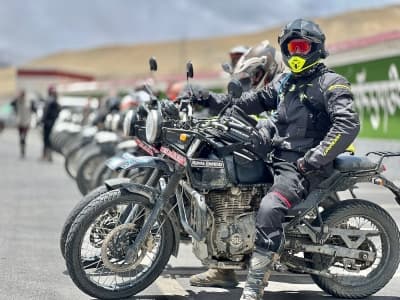 L
LLuther
AU
★★★★★
Everest Motorcycle Tour
Dinesh and the team at Amigo Treks and Expeditions went above and beyond for us. Allowing us to custom-design our trip and adjust it on the go as required, best to suit our group of 18 riders from Australia. Thanks so much. We will be back!
Read full review ->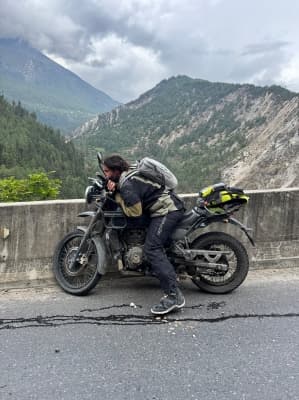 C
CChris
AU
★★★★★
Everest Motorcycle Tour
Dinesh and the team were amazing. Everything was very well organised, from hotels, to shuttles, lunch, and dinners. Made our ride from Kathmandu to base camp drama-free. Highly recommend these guys for your next adventure
Read full review ->