Tibet planning is driven by permits, altitude, route timing, and border logistics. This page keeps that structure front and center before the trip conversation becomes too scattered.
Guide type
Tibet planning guide
Best next move
Compare a live itinerary
Updated
August 16, 2024
How to use this guide
Read for clarity first, then move into the right trip format
Read the planning context
Use this page to understand the main tradeoffs, pace, and planning questions around Tibet.
Compare live options
Once the route direction feels clearer, compare live itineraries, durations, and comfort levels.
Ask for route-specific help
Use the planning desk when you need help choosing dates, pacing, private options, or the right final itinerary.
Tibet planning is driven by permits, altitude, route timing, and border logistics. This page keeps that structure front and center before the trip conversation becomes too scattered.
Guide details
Tibet, located in the high Tibetan Plateau, is the traditional homeland of the Tibetan people and is known as "the Roof of the World." It is located at an elevation of 5,000 meters in the highest region of the Earth, sharing the highest peak on the planet- Mount Everest- with Nepal's border. Tibet, a 7th-century empire, has undergone numerous government and political reforms over the years. Tibet's economy is primarily dominated by agriculture, with tourism growing in parallel. There are numerous religious and historical sites and landmarks to visit.
Aside from the traditional Tibetans, there are also Bon, Tibetan Muslim, and Christian minorities who have settled. As a result, Tibetan Buddhist art, music, and festivals can be enjoyed spectacularly in Tibet, as these aspects are beautifully reflected in the country's architectural and cultural environment. Tibet has a lot to offer visitors, including roasted barley, yak meat delicacies, and butter tea.
Key Facts
Location: Southern part of China
Geography: Arid Landscapes, Mountains
Capital: Lhasa
Area: 1.228 million km2
Population: 3.18 million
Political System: Dual government system/ Autonomous region of China
Major Religion: Buddhism
Time zone: China Standard Time (GMT +8)
Official Language: Standard Tibetan
Working hours: The official working hours are from 9 a.m. to 5 p.m.
Electricity: Electricity is easily available across the Tibetan Highlands. Also, the standard voltage in Tibet is 240 V.
Country Visa and Entry Procedure
Entering Tibet from Nepal
Because Nepal borders Tibet, many visitors to Tibet arrive by air or land from Kathmandu. According to Chinese immigration rules, travelers entering from Nepal must apply for both a China Group Tourist Visa and a Tibet Visa (also known as a Tibet Travel Permit). Individual travelers can obtain both of these documents from a Tibetan travel agency in their area. The process of obtaining a visa for a Tibet visit begins with the confirmation of the Tibet trip.
You will need to discuss your Tibet Tour plans with a travel consultant in Nepal and come to an agreement on an itinerary. After that, you must sign the tour contract by paying a deposit and submitting an image of your passport. The travel consultant will then gather your information and submit it to the Tibet Tourism Bureau for your Tibet Permit Application (TTB). It takes approximately 8 to 9 business days for your Tibet Travel Permit to be issued and the Visa Invitation to be sent to the Chinese Embassy in Kathmandu.
You must arrive in Kathmandu at least four days in advance before flying or driving into Tibet. The travel consultant will help you complete the application form and obtain your China Group Visa. These documents will be checked as you board the Kathmandu-Lhasa flight or drive to Tibet from Nepal via the Sino-Nepal border (Gyirong Port). It is also worth noting that Chinese embassies will not issue a visa if your passport is less than six months old.
Popular Destinations to Visit
For many visitors, Tibet is a surreal place. It has a beautiful appeal, and for this reason, attracting many visitors each year. Tibet has a glorious presence on anyone's must-visit list, with amazing natural beauty and countless religious and cultural sites. It also has many reminiscence sites that are the remnants of ancient and medieval dynasties that ruled over the empire. Here are some popular places to visit in Tibet:
The Potala Palace
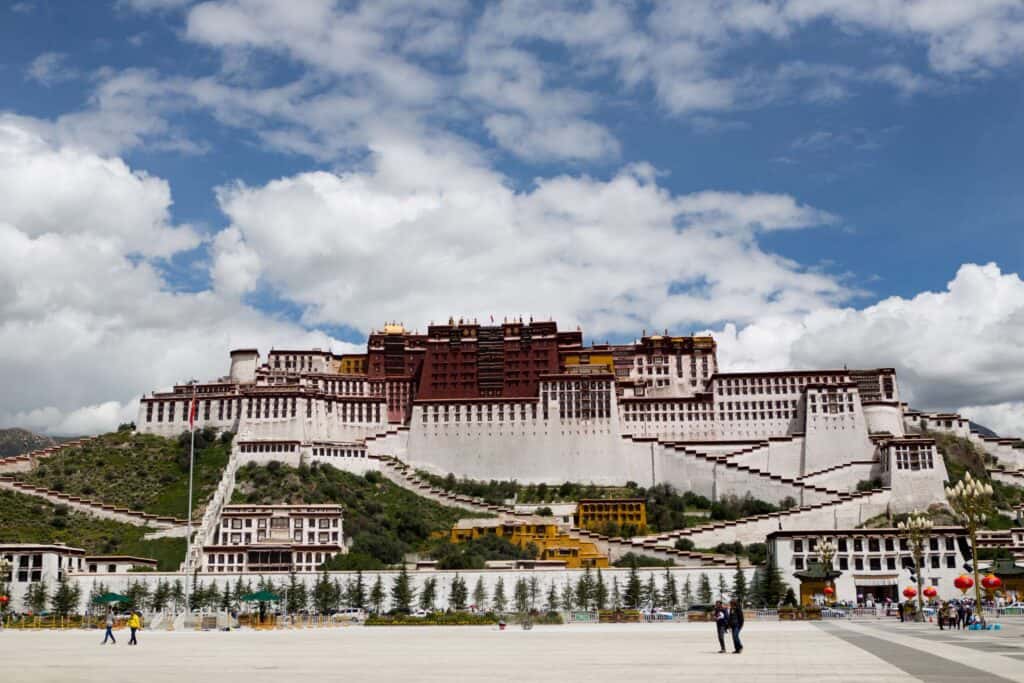
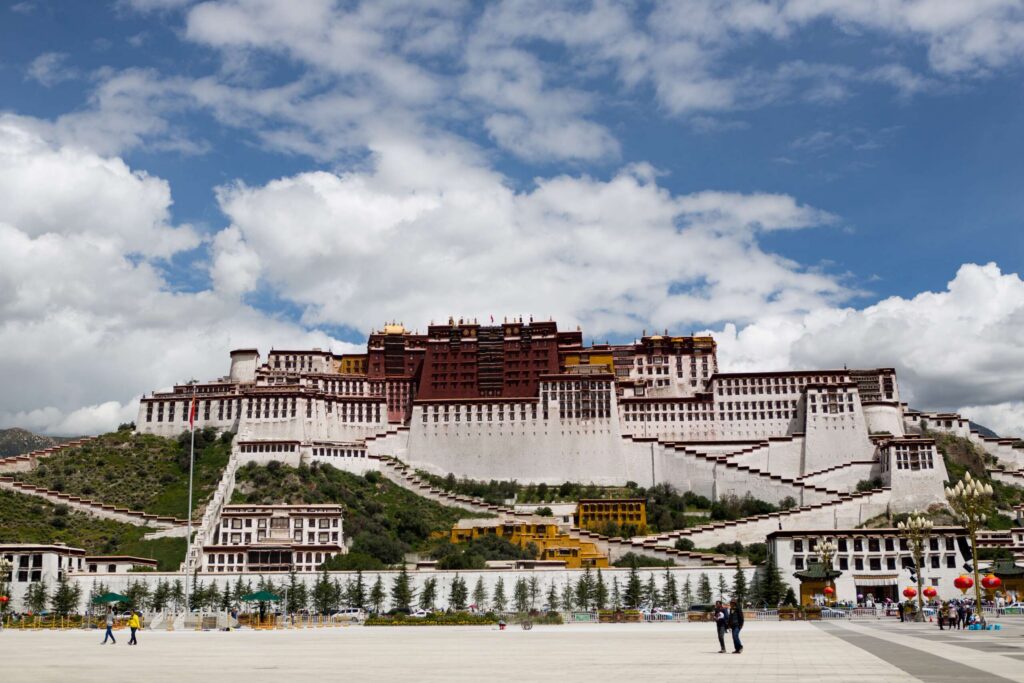
The Potala Palace, a Dzong Fortress in Lhasa, is a museum and a UNESCO World Heritage Site. From 1649 to 1959, it served as the Dalai Lama's winter palace. The Potala Palace, named after Mount Potalaka, the mythical abode of the Bodhisattva Avalokiteshvara, is an architectural marvel, with sloping stone walls guarding the fortress's 1,000 rooms, 10,000 shrines, and 20,000 statures.
The Jokhang Temple
The Jokhang Temple, a beautiful Buddhist Temple in Lhasa's Barkhor Street Square, is Tibet's spiritual center. It is regarded as one of the most sacred Buddhist temples in Tibet. The Jokhang Temple was built for the king's two brides, Princess Wencheng of the Chinese Tang Dynasty and Princess Bhrikuti of Nepal, who are both credited with bringing important Buddhist statues and images from China and Nepal as dowries.
The Norbulingka Palace
The Norbulingka Palace, whose name translates as "Jeweled Park," was the traditional summer residence of Tibet's Dalai lamas. The Norbulingka Palace, which is part of the Potala Palace's Historical Ensemble, is a UNESCO World Heritage Site. The palace was built by the 7th Dalai Lama and served as both an administrative and religious center for Tibet. It features distinctive Tibetan architecture and is located on the west side of Lhasa, covering an area of 89 acres, making it Tibet's largest man-made garden.
Things to do in Tibet
Tibet, a destination with many religious and cultural sites as well as natural beauty, provides visitors with a variety of activities. It is a place where cultural riches meet breathtaking natural wonders. Here are some of the most popular things to do in Tibet:
Day Trips and Excursions
Day trips in Tibet include visiting China's Beijing and Tibet's Lhasa and taking in the architectural and cultural highlights of each location. The excursions are a great way to experience the cities' cultural orchestras and to see the art and architectural treasures of vibrant cultural hotspots.
Cultural Tours
Tibet is home to the traditional Tibetan Buddhist people, who live in distinct ways that are reflected in cultural sites and numerous religious temples. Tibet is one of the best places in the world to take a leisurely cultural tour of its many sites, such as the Dalai Lama's former palaces and traditional temples dedicated to Lord Buddha and decorated with ancient shrines and statues.
Trekking and Hikes
Tibet is famous for its alternative Everest Base Camp Trek, just like the one in Nepal. It presents an alternative route to the base camp of the world's tallest mountain peak. Likewise, the Manasarovar Pilgrimage is another trekking journey filled with marvelous sights of the Himalayan peaks.
Nature Tours
Tibet is endowed with stunning natural splendor. Many destinations, including Yamdrok Lake, Namtso Lake, and Lake Manasarovar, provide beautiful natural respite to travelers. Many of these bodies of water in Tibet are also revered by the people for religious and cultural reasons. The wetlands surrounding these sacred lakes are also rich in fauna and floral life.
Trekking Season in Tibet
Tibet Treks are best experienced in the spring and autumn seasons. The spring season lasts from April to May, while the autumn season lasts from September to October. Because there is little rain during these months, treks are not disrupted by bad weather or flight delays. The visibility is good, and the temperatures are warm enough for a pleasant trek. Mayflowers bloom in the spring, and the burning tincture of the fall blankets the plateau in the autumn.
Altitude Sickness
Elevations of more than 3,000 meters are generally considered to be "High Altitudes." Because most places in Tibet are higher than 3,000 meters in elevation, there is a real risk of Acute Mountain Sickness developing. Because the occurrence of Altitude Sickness is variable and dependent on the individual, there are no concrete ways to predict who will experience it. Headaches, nausea, dizziness, fatigue, shortness of breath, loss of appetite, and disturbed sleep are all symptoms of altitude sickness. When most people arrive in Tibet, they experience one or more AMS symptoms. However, due to proper acclimatization, the severity of the symptoms usually gradually decreases. Mild AMS usually does not affect daily activities.
Nonetheless, if not treated properly, altitude sickness can be bad. Before traveling to Tibet, it is important to note that getting as fit and healthy as possible, both physically and psychologically, can greatly aid in avoiding altitude sickness. Visitors with a history of heart, lung, or other organ problems, as well as anemia, should consult their doctors before traveling to Tibet.
Travel Insurance
Travel insurance is strongly advised when visiting Tibet. It is critical to obtain travel insurance that includes ambulance or emergency flights home in the event of altitude sickness. It is also important to include any extra adventure activities that you intend to do while in Tibet, such as trekking or rafting, or other similar activities. Furthermore, policies that pay doctors or hospitals directly are preferable to those that require you to pay for services on the spot.
If you intend to claim the money later, keep all of the necessary documentation. Some policies require you to contact a center in your home country where your problem is immediately assessed. It should be noted that reverse-charge (collect) calls are not permitted in Tibet.
Similarly, trip-and-flight cancellation insurance for Tibet is useful in cases where the travel agency cannot obtain permits on time or when permits are lost or delayed in the mail. If this occurs, you will not be permitted to board your flight to Tibet. Insurance is especially important if your travel plans include visiting western or eastern Tibet, as these areas are frequently closed without warning. The announcement for opening is made each year in March or April; however, some years, the region abruptly closes after a brief opening or opens later in the season after a prolonged closure.
Meals and Accommodations
As the tourism industry in Tibet grows, so do the hotel and lodging facilities. However, because Tibet is still a relatively new tourism region, the facilities, conditions, and services of hotels in Lhasa and other places in Tibet may not be as good as you would expect from a hotel with the same ratings in other cities in China, particularly in remote areas of Tibet. However, due to the rapidly growing tourism industry, hotels and accommodations in Tibet have greatly improved.
Most cities and counties have hotels and guest houses for lodging, but the equipment and service may be inferior to that found elsewhere in China. In comparison, some well-known international chain hotels in Lhasa, such as the Sheraton and St. Regis, provide service standards and facilities comparable to those found in most 3, 4, and even 5-star hotels, but are not on par with those found in similar-rated hotels in Beijing or Shanghai. The best hotels in Tibet are usually found in Lhasa and Shigatse, the two major cities on the plateau. As you travel further from these major cities, the standard of living becomes more basic.
In terms of food, Tibetan cuisine is a vibrant palette inspired or directly influenced by the Tibetan people. Tibetan cuisine is an extension of the people's traditional religious beliefs and ethnic customs, with unique food and drink reflecting the special geographic conditions of high altitude and harsh climate. To combat the cold, the Tibetan daily diet consists primarily of meat, milk, and other high-protein foods. Tibetans frequently consume yak meat and mutton, with popular Tibetan dishes including Tsampa, a type of roasted barley flour that is a staple food in Tibet. Thukpa, as well as the famous Tibetan Butter Tea, is another culinary delight available to visitors.
Banking, ATM, and Money
The Renminbi (RMB) is the legal currency in Tibet. Only the Bank of China offers foreign exchange services and facilities in Tibet. Likewise, certain up-market hotels (Lhasa Hotel, the former Holiday Inn, and Tibet Hotel) also exchange currencies. The Bank of China, with the main office and several sub-branches in Lhasa, cashes all travelers' checks. On the other hand, only the main office offers cash advances on major credit cards (MasterCard, Visa, Diners Club, and Amex). The Bank of China Shigatse office, near the Shigatse Hotel, also provides travelers' check exchange services.
Weather and Climate
The climate is dry and cold due to its location in the high Himalayas. Depending on where you go, the average temperature ranges from -12oC to 9oC. Temperatures vary greatly throughout Tibet due to the typical high plateau climate. The weather in the southeast is mild, whereas temperatures in the west can drop to zero degrees. Similarly, the temperature in Lhasa is moderate all year. Tourists can visit the country at any time of year. Autumn is the best time to visit because the weather is perfect and tourists don't have to worry about bad weather. Most Tibet experiences rain during the monsoon season.
People, Culture, and Festivals
Tibetans are known for their warm hospitality as well as their ancient customs and traditions. Because the land is known as the birthplace of Tibetan Buddhism, the majority of the people here practice it. Throughout the year, they celebrate various festivals, but some of these events highlight Tibetan culture. As a result, some of them are as follows:
Tibetan New Year (Lhosar)
It is the most important festival for Tibetans because it marks the start of the new year. The celebrations take place during the winter, and the day is determined by the Tibetan calendar. When farmers had an abundant harvest and the ripening of barley signaled the time for celebration, the practice of celebrating New Year began.
Saga Dawa Festival
This is another important Tibetan festival that takes place in the spring. This festival is usually held in May and lasts the entire month. During this festival, people celebrate Buddha's birth, enlightenment, and death. Kora around Mt. Kailash during this festival is thought to aid in the attainment of enlightenment.
Shoton Festival
It is one of the most vibrant festivals in Tibet, with celebrations lasting a week and taking place in August. The festival begins at the Drepung monastery with the unfolding of a Thangkha portrait of Buddha and then moves to the Sera monastery. Tibetans observe the festival by visiting these monasteries and attending the Norbulingka Palace opera.
Communication and Internet
Most hotels, cafes, and restaurants provide free Wi-Fi to their guests. Sometimes hotels will only provide Wi-Fi in the lobby. Connecting to the internet via a smartphone's 3G or 4G service is often more reliable, and internet coverage is good in central Tibet.
Similarly, while there are Internet cafes in almost every town in Tibet, only a few allow foreigners to use computers. Some social-networking sites (such as Facebook) and websites (such as the Dalai Lama's, but also Google), as well as apps such as WhatsApp, have been blacklisted by the Chinese government and are no longer accessible within China unless you use a VPN. Thus, installing a VPN before traveling to China can help to reduce the restrictions on free internet use. Similarly, mobile phone coverage is generally excellent, even in far-western Tibet and at Everest Base Camp.
Internal Flight Delays
Tibet, like any other flight, is subject to delays. It could be due to inclement weather. Flight delays are uncommon during peak trekking seasons, such as spring and autumn. It is recommended to reserve extra contingency days for flight delays during off-tracking seasons, such as summer and winter, as weather conditions can deteriorate.
Traveling Alone
Tibet is generally regarded as a safe destination for solo travelers. However, traveling to Tibet alone for the first time can be intimidating. Going on an organized tour to Tibet can make a huge difference in terms of enjoyment. To enter Tibet, all foreign visitors must obtain a Tibet Travel Permit, which can only be obtained through registered Chinese tour operators. As a result, it is always preferable to book Tibet Tours through a reputable travel agency. The benefit of using a travel agency is that they can handle these concerns and provide you with a stress-free experience.
Supporting source material
Source article
Kailash Mansarovar Yatra: Routes, Costs, and Tips for 2025
The Kailash Mansarovar Yatra is a spiritual journey that draws countless pilgrims and adventurers worldwide. This sacred expedition takes you to the heart of Tibet, where...
Read source articleFirst-hand context
What experienced planners would usually tell you before you book
Local Insight
Travelers planning Tibet often benefit from comparing route pace, season timing, and comfort level before they compare dates or pricing.
Tibet Tour FAQs
Questions travelers ask about Tibet Tour
These are route-specific answers pulled from the live trip page so the guide can hand you into a real planning view.
Why these matter
Use these answers as the bridge between Tibet Travel Guide and the live Tibet Tour itinerary.
Tibet Tour is best for travelers who want an active Himalayan route and are comfortable with the walking pace, terrain, and day-to-day movement this trip requires.
Tibet Tour is typically best planned for March-May September -December. Those windows usually offer the most reliable conditions for the route, logistics, and overall travel experience.
5 Days is the standard planning window for Tibet Tour. The pacing is shaped around the route flow, acclimatization, transport windows, and overnight stops rather than simply covering distance as fast as possible.
Tibet Tour is planned as a culturally focused and physically light journey, so the experience is paced around that level of movement and stamina. The route reaches 3500m, which also shapes the overall effort and recovery needed.
Hotel. The trip is positioned at the Amigo Plus service level. Final room style and amenities can vary between cities, trail stops, and more remote sections of the route.
Private Car. We coordinate the moving parts so the route flows cleanly between each segment.
Recent Amigo reviews
Recent traveler sentiment from the wider Amigo collection
The related trip does not have public reviews yet, so this guide is showing the latest approved feedback from recent Amigo travelers.
Average rating
5.0
Showing now
4
recent review summaries
Review source
Latest approved reviews
Across the Amigo site
T Saavedra
US
Ultimate Luxury Everest Base Camp Trek
After years of exploring various destinations, Everest Base Camp remained on our bucket list as that one intimidating challenge. The logistics alone seemed overwhelming, and we wondered if we could handle such...
Julien Moreau
FR
Upper Mustang Motorbike Tour
I recently completed the Upper Mustang Motorcycle Tour with Amigo Treks and Expedition, and honestly, I’m still trying to find the words to describe how incredible the experience was. From the moment we kicked...
Luther
AU
Everest Motorcycle Tour
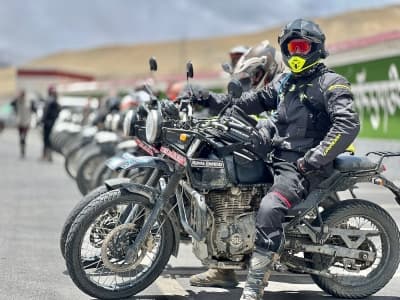
Dinesh and the team at Amigo Treks and Expeditions went above and beyond for us. Allowing us to custom-design our trip and adjust it on the go as required, best to suit our group of 18 riders from Australia. Th...
Chris
AU
Everest Motorcycle Tour
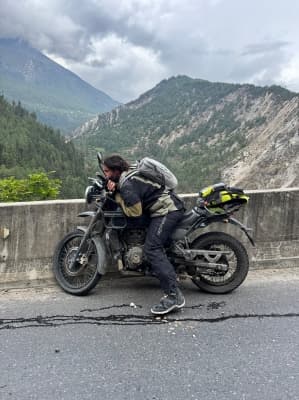
Dinesh and the team were amazing. Everything was very well organised, from hotels, to shuttles, lunch, and dinners. Made our ride from Kathmandu to base camp drama-free. Highly recommend these guys for your nex...
Continue with live itineraries
Related trips in Tibet
Use the guide for planning context, then compare these live itineraries for duration, price, and route fit.
Tibet Tour
Tibet tour Package leads you around Lhasa including Potala palace and many more monuments in Lhasa and its surroundings.
Lhasa To Everest Base Camp Tour
Discover the beauty of Tibet with a Lhasa to Everest Base Camp tour.
Tibet Overland Tour
Tibet Overland Tour covers the most important monument sites of Tibet including Potala Palace in Lhasa.
Tibet Tour via Everest Base Camp
Join our 8-day Kathmandu to Lhasa tour with Everest Base Camp.